

In This Article
Riedel Bordeaux glasses are tall, large-bowled wine glasses from the Austrian maker Riedel, shaped for full-bodied, tannic reds such as Cabernet Sauvignon, Merlot and Cabernet Franc. The wide bowl gives the wine room to breathe, while the tapered rim funnels aroma towards your nose. Ranges run from machine-made Vinum to mouth-blown Sommeliers.

Think of a Bordeaux glass as a concert hall for your claret. A cramped room muffles the orchestra. A well-proportioned one lets every section be heard. That’s the pitch, anyway, and it’s worth examining rather than swallowing whole.
The idea traces back to Claus Riedel, who, as his Wikipedia biography explains, was among the first glassmakers to argue that a glass’s shape changes how wine is perceived. He then built variety-specific glasses for the consumer market. Decades on, the catalogue is bewildering. Vinum, Veritas, Performance, Winewings, Superleggero, Sommeliers: same grape family, wildly different price tags.
This guide cuts through it. I haven’t tested these glasses myself, so you won’t find invented anecdotes here. What you will find is honest analysis built on manufacturer specifications, UK retailer listings and published reviews. Where I couldn’t verify real customer feedback, I say so. We’ll also tackle luxury hand-blown bordeaux glasses, bordeaux glasses vs universal red wine glasses, machine-made vs mouth-blown crystal, and whether glass shape really changes taste.
Riedel Bordeaux Glasses at a Glance
Here’s the shortlist before the deep dive. Prices are ranges at the time of research and will move, so check current price before buying.
| Glass | Made | Approx. capacity | Price range | Best For |
|---|---|---|---|---|
| Riedel Vinum Bordeaux | Machine-made | 610 ml | Mid-£50s to low £60s per pair | First-time buyers |
| Riedel Vinum Bordeaux Grand Cru | Machine-made | About 1 litre (retailer listing) | Above the standard Vinum; check current price | Big-bowl devotees |
| Riedel Veritas Cabernet/Merlot | Machine-made | About 650 ml | Around €60 a pair in the EU; check UK price | Lighter everyday luxury |
| Riedel Performance Cabernet/Merlot | Machine-made | 834 ml | Low £60s per pair | Aroma-chasers |
| Riedel Winewings Cabernet/Merlot | Machine-made | 820 ml | Around £30 each | Design lovers |
| Riedel Superleggero Bordeaux Grand Cru | Machine-made (handmade version also exists) | About 953 ml | Roughly £30–£40 each | Feather-light elegance |
| Riedel Sommeliers Bordeaux Grand Cru | Hand-made | About 0.9 litre (listing-dependent) | High £80s each | Gifts and special occasions |
Looking at the table, the Riedel Vinum Bordeaux is the clear value anchor, and the Riedel Sommeliers Bordeaux Grand Cru costs roughly three times as much per glass as the Riedel Superleggero Bordeaux Grand Cru. That premium buys craft and prestige rather than a proven sensory leap. If you want one glass that feels special without the handmade price, the middle of the table is where the smart money sits.
💬 Just one click — help others make better buying decisions too!😊
Top 7 Riedel Bordeaux Glasses: Expert Analysis
Every entry below pairs real specifications with an honest read of what they mean at your table. Review sentiment is aggregated from published sources and clearly flagged. Where I couldn’t verify a meaningful review pool, I say so rather than inventing one.
1. Riedel Vinum Bordeaux — best entry point into the range
The standout here is sheer sense: this is the glass that made varietal-specific stemware affordable, and it remains the sensible first pair. Riedel launched Vinum in 1986 as the first machine-made varietal series, modelled on its handmade Sommeliers shapes.
The bowl holds 610 ml and the glass stands 22.5 cm tall. That sounds enormous, but you’ll only pour 125–150 ml. The empty space is the point: room to swirl and a pocket for aroma to gather. It’s made from lead-free crystal and is dishwasher safe. One UK stockist notes that Riedel claims these survive 1,000 dishwasher cycles. Treat that as a manufacturer claim, not a guarantee.
Based on the spec comparison, this suits anyone drinking claret-style reds weekly. A practical wrinkle: UK stockists list this same shape under two names, Bordeaux and Cabernet Sauvignon/Merlot, so you may see both.
I couldn’t verify a large UK review pool. Retailer commentary suggests the glass looks oversized at first, then wins people over once they taste a familiar red from it. Fragility of the thin bowl comes up repeatedly across Vinum-family reviews.
Pros:
- ✅ Best price-to-quality ratio in the range
- ✅ Generous bowl for swirling full-bodied reds
- ✅ Dishwasher safe and lead-free
Cons:
- ❌ Thin bowls still chip and snap
- ❌ Looks oversized if you’re used to small glasses
Price range: mid-£50s to low £60s per pair. Verdict: the default choice for most buyers.

2. Riedel Vinum Bordeaux Grand Cru — biggest bowl in the Vinum family
If the standard glass is a concert hall, this is the cathedral. Riedel designed this shape in 2008, and a retailer listing puts capacity near 35 oz (about a litre) with a height around 26.5 cm. Riedel describes it as notably pleasant to hold and aimed at Cabernet Sauvignon, Cabernet Franc and Merlot.
What does that capacity mean in practice? A huge surface area for young, tannic wines to open up, and a glass that is mostly air. Reviewers describe it as a scaled-up version of the classic Riedel Vinum Bordeaux with similar bowl-to-stem proportions. That’s a useful clue: if you liked the smaller glass, this one just amplifies the experience.
The honest caveat is practical rather than sensory. Check your cabinet shelf height and dishwasher rack before buying. Reviewers in the pool I could access flagged two recurring complaints: cost and breakability. Some owners hand wash for that reason, though others report machine washing without issue.
Pros:
- ✅ Enormous bowl for young, tannic reds
- ✅ Balanced proportions despite the size
- ✅ Machine-made consistency at a lower price than handmade
Cons:
- ❌ Too tall for some shelves and dishwashers
- ❌ Reviewers flag fragility and cost
Price range: I couldn’t verify a consistent UK price, so expect a premium over the standard Riedel Vinum Bordeaux and check current price. Verdict: worth it only if you drink big, young reds regularly.
3. Riedel Veritas Cabernet/Merlot — lighter, finer everyday upgrade
The hook is weight. Riedel introduced Veritas in 2014, briefing its technicians to create something visually stunning, pleasant to hold and competitively priced. One stockist claims it is 15% taller and 25% lighter than Vinum, which is their statement rather than a verified lab figure.
It holds roughly 22 fl oz (about 650 ml), is premium machine-made and is dishwasher safe. Riedel’s own description says lead-free crystal, though another retailer calls it lead crystal. Check the listing you’re buying from.
What does “lighter” really mean? Less glass to feel in your hand and a thinner rim at your lip. Many drinkers care about rim thickness more than bowl geometry, because it changes how wine meets the mouth. For a household that uses wine glasses daily, this is a sensible step up from Riedel Vinum Bordeaux without handmade pricing.
I couldn’t verify a meaningful pool of UK reviews, so I won’t characterise customer opinion here.
Pros:
- ✅ Thinner, lighter feel than the Vinum range
- ✅ Machine-made precision at a mid-range price
- ✅ Dishwasher safe
Cons:
- ❌ Lead-free status varies between listings
- ❌ Limited verified UK review data
Price range: around €60 a pair in the EU, so check current UK price. Verdict: strong value if you prioritise feel over bowl size.
4. Riedel Performance Cabernet/Merlot — optic bowl for livelier aromatics
The standout feature is the bowl texture. Riedel redeveloped this shape in 2018, and the Performance series was co-designed by Georg and Maximilian Riedel. It adds a light optic impact to the bowl, which Riedel says improves aromatics.
Treat that as a manufacturer claim. The 834 ml capacity is more clearly useful: this is a genuinely roomy glass, and a UK department-store listing confirms it’s machine-blown, lead-free crystal that’s dishwasher safe, in a gift-box pair.
On paper, the optic texture does two things. It adds visual character, and Riedel argues it shapes how the wine moves and releases aroma. What most buyers overlook is that independent evidence for the optic effect is thin, so buy it for the bowl size and the look rather than a promised aroma boost.
No verified review pool turned up in my research, so I’ll leave sentiment out.
Pros:
- ✅ Roomy 834 ml bowl for swirling
- ✅ Lead-free, machine-blown crystal
- ✅ Handsome gift-boxed pair
Cons:
- ❌ Aroma benefit of the optic is a brand claim
- ❌ Texture divides taste
Price range: low £60s per pair. Verdict: a stylish alternative to Riedel Vinum Bordeaux if you like visual flair.
5. Riedel Winewings Cabernet/Merlot — flat-bottomed design for modern tastes
The hook is that wing-shaped, flat-bottomed bowl. Decanter reported that Winewings grew out of a project that began when Georg Riedel was asked to find the ultimate Cabernet Sauvignon glass. It launched at a price in the high-£20s per glass.
Specs: about 820 ml and 25 cm tall, premium machine-made, dishwasher safe. Riedel says the flat bottom increases the wine’s surface area, boosting evaporation and aroma intensity. In practice, the flat base shifts the wine’s weight low and wide, which changes how it swirls. It’s a visual departure from classic tapered Bordeaux shapes.
I’d frame it as the choice for people who want something obviously different on the table. Traditionalists may prefer a conventional Bordeaux silhouette. A retailer listing I found had no customer reviews yet, so I can’t summarise real-world sentiment.
Pros:
- ✅ Distinctive modern design
- ✅ Wide, low bowl for generous swirling
- ✅ Dishwasher safe
Cons:
- ❌ Looks unconventional to traditionalists
- ❌ No verified review pool found
Price range: around £30 each. Verdict: good value for design-minded drinkers.
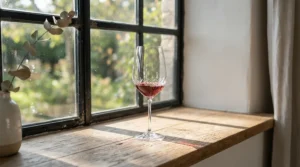
6. Riedel Superleggero Bordeaux Grand Cru — feather-light, near-handmade feel
The standout is the thinness. Riedel says Superleggero debuted in 2015 and carries over bowl shapes from Sommeliers, with a slimmer, lighter build. The machine-made version is described as the largest, thinnest and lightest glass with the widest base produced on a machine.
A German stockist lists the machine-made Bordeaux Grand Cru at roughly 953 ml, 282 mm tall and about 300 g. Riedel also sells a handmade Superleggero at around 890 ml, so the product code matters: 6425/00 is the machine-made one, 4425/00 the handmade.
Why does that matter? Precision. Riedel argues machine production delivers consistent rim and bowl diameters. For a buyer, that means two glasses that match perfectly, something handmade pieces can’t promise. Thin glass also means careful handling.
Verified review data was unavailable, so I’ll stay silent on customer sentiment.
Pros:
- ✅ Very light and thin for a machine-made glass
- ✅ Consistent bowl and rim dimensions
- ✅ Dishwasher safe
Cons:
- ❌ Thin walls demand gentle handling
- ❌ Machine and handmade versions are easy to confuse
Price range: roughly £30–£40 each. Verdict: the best middle path between everyday and heirloom.
7. Riedel Sommeliers Bordeaux Grand Cru — the hand-blown benchmark
The hook here is heritage. Riedel calls Sommeliers the world’s first wine-friendly glass collection, launched in 1973 by Claus Riedel on Bauhaus “form follows function” principles. It’s thin-blown, unadorned and handmade, so each piece carries small variations in size, weight and surface.
It’s listed as dishwasher safe, but Riedel notes some tall glasses won’t fit the top rack. It targets Cabernet Sauvignon, Merlot, Pauillac, Pomerol, St-Émilion and similar. Capacity varies by listing, so check the one you buy.
What are you paying for? Craft, rarity and an exquisitely thin rim. Based on the evidence below, you’re not obviously paying for a measurable taste upgrade over a top machine-made glass. That’s a luxury purchase, honestly framed.
I couldn’t verify a UK review pool. Thin handmade stemware is generally fragile, so treat these as occasion glasses.
Pros:
- ✅ Genuine hand-blown craftsmanship
- ✅ Thin rim and heritage design
- ✅ Superb gift presentation
Cons:
- ❌ Highest price per glass here
- ❌ Fragile and slightly variable piece to piece
Price range: high £80s each. Verdict: buy for gifting or ritual, not for value.
Top 7 Compared: Specs, Price Ranges and Best-For Verdicts
| Glass | Standout spec | Value verdict | Best For |
|---|---|---|---|
| Riedel Vinum Bordeaux | 610 ml, 22.5 cm | Excellent | Everyday claret drinkers |
| Riedel Vinum Bordeaux Grand Cru | About 1 litre bowl | Good if you drink big reds | Cellar-builders |
| Riedel Veritas Cabernet/Merlot | Lighter build | Very good | Daily luxury |
| Riedel Performance Cabernet/Merlot | 834 ml optic bowl | Good | Style-led hosts |
| Riedel Winewings Cabernet/Merlot | Flat wing base | Good | Design lovers |
| Riedel Superleggero Bordeaux Grand Cru | About 300 g, wide base | Very good | Near-handmade feel |
| Riedel Sommeliers Bordeaux Grand Cru | Mouth-blown | Luxury | Gifts, anniversaries |
The Riedel Vinum Bordeaux and Riedel Veritas Cabernet/Merlot dominate on value, while the Riedel Sommeliers Bordeaux Grand Cru is a heart-over-head purchase. If you host often, a mixed approach works: a full set of a mid-range glass plus two handmade pieces for special bottles. Budget buyers should avoid the Grand Cru sizes unless they truly drink large young reds.

How to Choose Riedel Bordeaux Glasses
A good Bordeaux glass for full-bodied reds has a large bowl, tapered rim and tall stem. Here’s how to choose well:
- Set your budget per glass, not per set. A pair at around £60 is £30 each. Handmade pieces are nearly three times that.
- Check your dishwasher and cupboard height. The Grand Cru shapes are tall, and Riedel itself warns some glasses won’t fit the top rack.
- Decide machine-made or mouth-blown. Machine-made gives matching glasses at lower cost. Handmade gives craft and variation.
- Look at weight and rim. A lighter glass with a thinner rim, like the Riedel Veritas Cabernet/Merlot, feels more refined at your lip.
- Match bowl size to your wines. Young, tannic reds suit big bowls. Mature, delicate clarets may prefer something slightly smaller.
- Confirm lead status and product code. Listings vary, and codes like 6425/00 versus 4425/00 differentiate machine and handmade versions.
- Buy a pair first. Test how you actually use them before committing to a set of six.
Does Glass Shape Change Taste?
Short answer: it changes aroma delivery more reliably than it changes “taste” itself. Here’s the evidence.
Decanter reported that University of Tennessee researchers measured gallic acid in Merlot poured into a flute, a martini glass and a Bordeaux glass. They found chemical differences, and experienced tasters favoured the Bordeaux-glass wine. The researchers suggested greater surface area exposed to air explains it.
Counter-evidence exists. A 2001 study in the Journal of Wine Research found a Burgundy glass increased overall perceived intensity but didn’t enhance any particular attribute. Monell Chemical Senses Center researchers also tested several glasses, including Riedel Chardonnay and Bordeaux shapes, and their conclusions were unflattering to the brand’s claims. Expectation matters too: fancy glassware can make people anticipate better wine.
Riedel’s claim that shape steers wine to specific tongue zones is the weakest part scientifically, because the “tongue map” idea is widely discredited. Wine writer Jancis Robinson, a universal-glass advocate, has said a matched Riedel glass is usually a small percentage better.
My read: a roomy, tapered glass helps you smell the wine, and smell drives most of what we call flavour. Beyond that, the returns diminish quickly.
Luxury Hand-Blown Bordeaux Glasses: Worth the Splurge?
Luxury hand-blown bordeaux glasses sell on craft, not chemistry. In Riedel’s lineup, the Riedel Sommeliers Bordeaux Grand Cru is the classic. A handmade version of the Riedel Superleggero Bordeaux Grand Cru also exists, and a Black Series Collector’s Edition marks the 40th anniversary of Sommeliers with a red crystal stem and black crystal base.
What you get: an extremely thin rim, individually crafted bowls and a sense of occasion. Riedel openly says small tolerances in size and weight, tiny bubbles and slight surface variations are acceptable in handmade items. If you want perfectly identical glasses, that’s a point against.
The cost-per-use maths is revealing. A pair at around £175 used twice a week for five years works out at roughly 34p per evening. A £60 pair over the same period is roughly 12p. Neither is extravagant, but breakage changes everything: lose one handmade glass and you’ve lost nearly £90.
Who should buy? Gift-givers, collectors and anyone who enjoys the ritual. Who shouldn’t? Anyone expecting a dramatic flavour difference over a good machine-made glass. The evidence above doesn’t promise one.
Machine-Made vs Mouth-Blown Crystal
Machine-made vs mouth-blown crystal is mostly a trade between precision and personality.
| Feature | Machine-made | Mouth-blown |
|---|---|---|
| Consistency | Very high; bowl and rim diameters repeatable | Small variations in size and weight |
| Price | Lower per glass | Substantially higher |
| Typical Riedel lines | Riedel Vinum Bordeaux, Riedel Veritas Cabernet/Merlot | Riedel Sommeliers Bordeaux Grand Cru |
| Imperfections | Rare | Tiny bubbles and surface variation accepted |
| Best For | Households, restaurants, sets | Gifts, collectors, special bottles |
Riedel’s own framing is clear. Vinum, launched in 1986, translated the handmade Sommeliers shapes into machine production to make them affordable. Riedel says the “premium” machine-made advantage is precision. Riedel’s newer machine-made ranges, Riedel Superleggero Bordeaux Grand Cru included, narrow the look-and-feel gap with handmade glass.
Looking at the comparison, a premium machine-made glass wins for anyone buying four or more, because matching sets matter at a dinner table. Hand-blown pieces win when the object itself is part of the pleasure. If you’re still undecided, buy machine-made for the table and one handmade pair for celebrations.
Bordeaux Glasses vs Universal Red Wine Glasses
Bordeaux glasses vs universal red wine glasses is really a debate about how much cupboard space and money you want to dedicate to wine.
| Factor | Bordeaux glass | Universal red wine glass |
|---|---|---|
| Bowl size | Large, tall | Moderate, versatile |
| Best for | Full-bodied, tannic reds | Many styles, red and white |
| Cupboard space | More per wine style | Less overall |
| Cost across a household | Higher if you buy several shapes | Lower |
| Best For | Regular claret drinkers, e.g. Riedel Vinum Bordeaux | Mixed-wine households |
Universal-glass champions include Jancis Robinson, who launched a glass with designer Richard Brendon in 2018 on the premise that one glass suits all wines. Gabriel-Glas shares that view. Even Robinson has acknowledged that a matched Riedel glass is usually slightly better. Her argument is that life is too short for a cupboard full of near-identical glasses. A Club Oenologique tasting also found that some straight-sided glasses lose nuance with dry whites, while Riedel pointed to its Syrah shape as the nearest it has to an all-rounder.
My take: if red Bordeaux blends dominate your weeks, a Riedel Vinum Bordeaux pair is a smarter buy than a universal glass. If you drink everything from Albariño to Barolo, a universal is simpler.
Riedel Vinum: Why the Range Still Rules
Riedel Vinum is the reason this brand is on so many UK sideboards. Launched in 1986 under Georg Riedel, it was the first machine-made varietal series, and trade coverage describes it as Riedel’s best-selling glass. It turned the Sommeliers philosophy into something a normal household could afford.
For Bordeaux drinkers, two Vinum shapes matter. The Riedel Vinum Bordeaux (610 ml) is the standard. The Riedel Vinum Bordeaux Grand Cru is the oversized version. Add the naming quirk, Cabernet Sauvignon/Merlot versus Bordeaux, and shopping gets confusing fast. Check dimensions rather than names.
Riedel Vinum’s strengths: wide availability, machine-made consistency, dishwasher-safe claims and prices that undercut handmade rivals dramatically. Weaknesses: it feels heavier than Riedel Veritas Cabernet/Merlot or Riedel Superleggero Bordeaux Grand Cru, and the thin bowls still break.
Think of Riedel Vinum as the reliable estate car of wine glasses: not glamorous, but it does the job beautifully every day. For many buyers, it’s all the Riedel Bordeaux glass they’ll ever need.

Common Mistakes When Buying Riedel Bordeaux Glasses
Buying the biggest glass by default. A one-litre bowl suits a young Pauillac, not a delicate older claret. Match size to the wine.
Expecting magic. A glass can’t rescue poor wine. Georg Riedel himself has said as much, and VinePair’s examination of the placebo effect is a healthy reminder that expectation shapes enjoyment.
Ignoring cupboard and dishwasher size. Tall Grand Cru shapes can be too tall for the top rack, and Riedel acknowledges this.
Confusing product codes. Superleggero comes in machine-made and handmade versions with different capacities. Check the code.
Overbuying handmade glass. Six handmade glasses is a serious outlay. Start with two.
Skipping the lead check. Product descriptions vary on lead content. Read the listing, and don’t store drinks in leaded crystal.
Pricing mistakes matter too. Prices change regularly, so always check current price rather than assuming last month’s figure still holds.
Long-Term Cost & Maintenance
The sticker price tells you little. Total cost depends on how long glasses survive.
Take the Riedel Vinum Bordeaux at around £60 a pair. If both glasses last five years of twice-weekly use, that’s roughly 12p per evening. Riedel claims durability of 1,000 dishwasher cycles, which a stockist repeated. At three washes a week, that’s about six and a half years of cycles. Treat it as a ceiling, not a promise.
Handmade glasses shift the equation. Two Riedel Sommeliers Bordeaux Grand Cru glasses cost around £175, and replacing one broken glass adds nearly £90. Mid-range machine-made glasses such as the Riedel Performance Cabernet/Merlot or Riedel Veritas Cabernet/Merlot hedge that risk.
Maintenance costs are small: decent dishwasher tablets, a microfibre cloth and storage that avoids stacking. The biggest hidden cost is breakage, so budget for replacements. Buy extra glasses of the same range rather than switching mid-set.
Practical Usage Guide: Pouring, Washing and Storing
Pour sensibly. Fill to the widest part of the bowl at most. A third is plenty in a large Bordeaux glass, leaving room to swirl.
Serve reds slightly cool. Standard guidance for Bordeaux is roughly 16–18°C. Hold the glass by the stem so your hand doesn’t warm the bowl.
Wash with care. Hand wash in warm water with a soft cloth where possible, supporting the bowl rather than twisting the stem. If you use the dishwasher, check the glass fits the rack and use a quality tablet.
Polish and store. Dry with a lint-free cloth and store upright. Don’t stack stemware.
Mind the lead. Riedel’s current descriptions for Riedel Vinum Bordeaux, Riedel Veritas Cabernet/Merlot and Riedel Performance Cabernet/Merlot say lead-free, but check each listing. McGill University’s Office for Science and Society explains that lead crystal can leach lead into stored drinks, so don’t store wine or spirits in leaded crystal. Serving a dinner party glass is a different matter.
First-30-day mistakes: over-filling, using abrasive scourers and washing glasses in an overloaded rack.
Real-World Scenarios: Which Pair for Which Person
These are illustrative profiles, not real customers.
The new-flat claret drinker (budget around £60). Two evenings a week, a small cupboard, one dishwasher. The Riedel Vinum Bordeaux is the straightforward answer: sensible size, dishwasher safe, no fuss.
The dinner-party host (budget £150–£250). Hosting six or eight people. A matching set of Riedel Veritas Cabernet/Merlot or Riedel Performance Cabernet/Merlot delivers elegance without handmade-price anxiety. Buy a few spares.
The anniversary gift-giver (budget around £175–£200). A pair of Riedel Sommeliers Bordeaux Grand Cru glasses brings craft and presentation, which is exactly what a gift needs.
The cellar-builder with young, tannic vintages. The Riedel Vinum Bordeaux Grand Cru gives maximum air contact, while the Riedel Superleggero Bordeaux Grand Cru adds lightness for long tastings.
The design-led minimalist. The Riedel Winewings Cabernet/Merlot looks nothing like a traditional Bordeaux glass, which is precisely the appeal.
✨ Ready to Upgrade Your Pour?
🔍 Take your claret evenings up a notch with these carefully chosen glasses. Click any highlighted product name to check current pricing and availability on Amazon UK. The right pair could turn an ordinary Tuesday bottle into something worth lingering over!
Problem → Solution Guide
Problem: glasses come out cloudy. Solution: use a quality dishwasher tablet and rinse aid, then polish with a microfibre cloth. Cloudiness is often residue rather than damage.
Problem: glasses won’t fit the dishwasher. Solution: Riedel notes certain tall glasses may not fit the top rack. Measure before buying, or choose the shorter Riedel Vinum Bordeaux over the Grand Cru shapes.
Problem: stems snap. Solution: hold the bowl when washing, not the stem. Consider mid-priced replacements like the Riedel Performance Cabernet/Merlot if breakage is frequent.
Problem: the wine smells flat. Solution: check your pour size and serving temperature before blaming the glass. Too-cold wine suppresses aroma.
Problem: mismatched sets after breakages. Solution: stay within one range and buy two spares up front. Machine-made lines such as Riedel Veritas Cabernet/Merlot are easier to match than handmade pieces.
Problem: nowhere to store tall glasses. Solution: measure shelf height. A Riedel Superleggero Bordeaux Grand Cru is around 28 cm tall, so plan accordingly.

FAQ
❓ Are Riedel Bordeaux glasses worth the money?
❓ Can I put Riedel Bordeaux glasses in the dishwasher?
❓ Can I use Riedel Bordeaux glasses for Pinot Noir?
❓ How many Riedel Bordeaux glasses should I buy first?
❓ Which Riedel Bordeaux glasses make the best gift?
Conclusion
Riedel Bordeaux glasses are one of those rare purchases where the cheap end is genuinely good and the expensive end is genuinely lovely. The evidence suggests glass shape mainly improves how you smell a wine, which matters more than you might think. It does not rescue poor bottles, and it does not justify a handmade price tag on measurable grounds alone.
If you want one safe recommendation, buy the Riedel Vinum Bordeaux and enjoy your claret properly. If you prefer a lighter, finer feel, the Riedel Veritas Cabernet/Merlot or Riedel Superleggero Bordeaux Grand Cru is the smarter step up. If you’re after spectacle, the Riedel Winewings Cabernet/Merlot has it, and if you’re buying a gift, the Riedel Sommeliers Bordeaux Grand Cru delivers occasion and craft. The Riedel Vinum Bordeaux Grand Cru and Riedel Performance Cabernet/Merlot fill the gaps for big-bowl and design-led drinkers.
Prices move, so check current price and availability before you buy.
✨ Your next bottle deserves the right glass!
🍷 Click any highlighted product name above to check current pricing and availability on Amazon UK, then pour something worth swirling. Your Pauillac will thank you!
Recommended for You
- Best Bordeaux Glasses: 7 Proven UK Picks To Buy (2026)
- Wine Carrier Bag For 6 Bottles: 7 Best Picks (2026)
- Wine Bottle Protector Bag For Suitcase: 7 Proven Picks (2026)
Disclaimer: This article contains affiliate links. As an Amazon Associate, I earn from qualifying purchases. If you purchase products through these links, we may earn a small commission at no additional cost to you.
✨ Found this helpful? Share it with your friends! 💬🤗
